Archive for the ‘ Featured Destinations ’ Category


Visiting Banff National Park…an Overview

Thursday, July 29th, 2010

Banff National Park is a place I’ve wanted to visit for many years now and it certainly did not disappoint. The park is by far and away the most popular tourist destination in Canada, so expect crowds during peak times.

I spent a week in the area and stayed on both sides of the park—the east side in Canmore, Alberta and the west side just above Golden, British Columbia at the Kicking Horse Mountain Resort area.  I stayed in a couple of wonderful B&B’s, The Lady MacDonald in Canmore, and the Vagabond Lodge in Kicking Horse. Banff National Park is massive and a week really isn’t enough time to fully enjoy the amount of area I covered.  Nonetheless it was a spectacular trip. I would really like to go back to see the contrast of winter, with more snow in the mountains, to the frozen waterfalls and rivers.

When you see the iconic symbol of Banff Springs Hotel for the first time, you know you’re in Banff.  What a beautiful monument.  I was fortunate to see the hotel from several different vantage points as you’ll notice in some of my pictures and video.  Downtown Banff is full of high-end shops, restaurants, hotels and entertainment…it truly is an international destination.

Banff National Park extends well beyond the community of Banff proper.  While I was in the park I went off in many directions, including north to the Lake Louise area where I took the Lake Louise Gondola to the top of the mountains.  The ride up the mountain is supposed to be a great viewing habitat for Grizzly’s; unfortunately I did not see any on my trip.  The view from above though is absolutely spectacular and you’re able to see Lake Louise far off in the distance.  Just prior to my departure up the mountain I saw a wonderfully informative video clip provided by the resort to educate you of the area.

Once you finally make your way through the crowds and see Lake Louise for the first time, you’re jaw just drops.  The deep turquoise water against the blue sky and jagged white-capped mountains is just stunning.  I went to the lake a few times because I really wanted to get some good pics.  The first time I was there was middle of the day…not great light for photos.  I took a couple of hikes in the area to get different vantage points…you can really tell a difference between some of my shots.

Near Lake Louise, but in a different direction there is the even more impressive, Lake Moraine.  Less well-known, but equally as popular, Lake Moraine is also a spectacular site with lots of wonderful hikes that enable you to get different viewing vantage points and pictures.  Note: for the best pictures and to avoid the tour bus crowds, visit either lake early morning or early evening. Note: If you’re traveling from Banff to/from the Lake Louise area, do yourself a favor and take HWY 1a (vs. HWY 1), it’s more scenic and less crowded.

While in Banff, here are a few “To-Do” suggestions:

  • Walk around downtown Banff, while it is very touristy, there are a lot of cool shops, galleries and restaurants.
  • Visit the Botanical Garden, unfortunately I can’t find the name or a link, but you can’t miss it because there is a beautifully large building as the focal point, which you can see from downtown, however you must go to the other side to access the entrance.  Great place for a picnic lunch or to just to relax and take in the surrounding scenery.
  • Visit both Lake Loraine and Lake Moraine.  Consider renting a boat at Lake Loraine, it’s quite an experience.
  • Take the Lake Louise Gondola in hopes of seeing some grizzlies, if not just for the spectacular views and being able to see the lake from a distance.
  • Check out the Columbia Ice Fields…take a tour of the amazing glaciers.

Whether it’s summer, winter or sometime in between, it’s always a good time to visit Banff, however bring your wallet because it’s not an inexpensive place.  Hotels will run at least $200-$400 per night, a modest meal at a decent restaurant will run $40+ per person and gas is well over $4 per gallon as of July, 2010.

If you’d like to see more pics of the Banff and Lake Louise areas, check out my photo gallery or click: Banff Pictures, Lake Louise Pictures.

Glacier National Park, an Overview

Monday, July 26th, 2010

I have wanted to make the trek to Glacier National Park for years now, so it was nice to see my desires realized. While I was there, Glacier was celebrating its 100 years as a National Park. 100 years ago there were more than 150 glaciers in the park; today, sadly only 25 remain—which was certainly a disappointment since the few that remain are difficult to reach, as much of the park is inaccessible by vehicle.

Glacier National Park is quit stunning, with beautiful ice-carved terrain of ragged ridges, protruding peaks and dramatic vistas—with over 200 lakes, waterfalls abound and thick forests covering more than 1.2-million acres. Deer are among the most commonly spotted wildlife but elk, moose, mountain goats, eagles, bighorn sheep, wolves, grizzly and black bears (I actually saw a grizzly right at the west entrance one day) roam its wild vastness.

The Great Northern Railway is to thank for the development and tourism to Glacier as they built chalets to market the Park as the “Switzerland of America”. Although many of the chalets no longer exist, Granite Park Chalet and Sperry Chalet are still open to the public. The most popular route to Granite Park Chalet is a seven-mile hike along the Highline Trail from Logan Pass. Glacier Park Lodge and Many Glacier Hotel are also cool lodges to visit.

During the summer months, wildflowers are quite abundant and put on a show of color as they follow spring up the mountains all summer long. It’s interesting to see how the flowers bloom up the mountains as the season and warmer weather prevail.

The massive peaks of the Continental Divide in northwest Montana are the backbone of Glacier National Park and its sister park in Canada (Waterton). Glacier National Park is unique among US parks in its relationship with the Waterton Lakes National Park in Alberta, Canada. The two parks meet at the border shared by the two countries. In 1932, the parks were designated the first International Peace Park in recognition of the bonds of peace and friendship between the two nations. From their slopes, melting snow and alpine glaciers yield the headwaters of rivers that flow west to the Pacific Ocean, north to the Arctic Ocean, and southeast to the Atlantic Ocean via the Gulf of Mexico.

Things to see and do in Glacier National Park:

  • Go to the Sun: Crossing the Continental Divide at the 6,646-foot-high Logan Pass, Glacier’s Going-to-the-Sun Road is a spectacular drive.
  • Witness the Divide: The rugged mountains that weave their way through Glacier and Waterton along the Continental Divide seem to have glaciers in every hollow melting into tiny streams, raging rivers and icy-cold mountain lakes.
  • Hike It: There are more than 700 mi of trails that cater to hikers of all levels—from all-day hikes to short strolls.
  • View the Wildlife: This is one of the few places in North America where all native carnivores, including grizzlies and wolves still survive. Bighorn sheep, mule deer, coyotes and black & grizzly bears can often be seen from roadways.
  • Go Fishing: Over 200 lakes and streams to sport-fish species including: burbot (ling), northern pike, whitefish, grayling, Westslope cutthroat, rainbow, lake (Mackinaw), kokanee salmon, and brook trout.

In summer a plethora of flowers, grasses and budding trees covers the landscape high and low. Snow-white mountain goats, with their wispy white beards and curious stares, are seen in alpine areas, and sure-footed bighorn sheep graze the high meadows in the short summers. The largest population of grizzly bears in the lower 48 states lives in-and-around the park.

Since I visited Glacier during the summer, I can only imagine the contrast of the winter and how wonderful it would be to go exploring with a pair of cross-country skis or snowshoes.

I spent over a week in the Glacier National Park area; while I was there I camped out a few nights and also stayed in some of the finest lodges around. Glacier Mountain Lodge is absolutely spectacular and located just twenty minutes from the west entrance in Columbia Falls. The location of Glacier Mountain Lodge also makes it convenient to visit the Flathead Lake or Whitefish areas. Click Glacier Mountain Lodge Review to read more and see my video.

Also while in the area I stayed at The Lodge at Whitefish Lake, which is also fabulous. The Lodge at Whitefish Lake is more “resort” like and offers all the amenities you would expect from a fine lodging establishment…outstanding dining, spa, water sports and so much more.

To see see my pics of Glacier National Park, check out the Photo Gallery.

In Calgary Today…

Saturday, July 17th, 2010

I spent the day in Calgary today and went to the Winter Olympic training center where the 1988 Olympics were held.  It was pretty cool to get up-close to the various venues, e.g. the ski jumps, bobsleigh, etc.  In the summer months the park is used for mountain biking, zip lines and a host of seasonal kid activities.

I happen to be in Calgary during a very busy week…the week of  “Stampede!”(That’s “Rodeo” for you City Folk).”

The Stampede actually becomes its own city and ends up being the third largest in Alberta during the event, with 120,000 daily visitors. Stampede Park features most everything you would see in a city: restaurants, cafes, medical services, a police detachment, security force, logistics team, recycling plant, shopping centers, nightclubs, etc.

The city of Calgary stands at the base of the jagged, snow-capped peaks of the Rocky Mountains. The skyscrapers rise out of older suburban neighborhoods and seem oddly superimposed in this breathtakingly diverse western landscape.

The oil that lies beneath Calgary drives the city’s vibrant economy; the nearby mountains attract legions of skiers and other enthusiasts during the chilly winters; and, during balmy summers you’ll see lots of backpackers, bike riders and fisherman.

As well as being the gateway to the Rocky Mountains, Calgary also grew into a tourist destination in its own right. Visitors flocked to take in the city’s burgeoning cowboy culture, expressed every year in the Calgary Stampede (held formally for the first time in 1912).

The Rocky Mountains and, in particular, Banff National Park, attracted thousands more who were drawn by the parks stunning alpine beauty and its famous hotel. As the popularity of winter leisure sports (such as downhill skiing and bobsleighing) increased, so did Calgary’s own popularity, all culminating in the city’s hosting of the XV Olympic Winter Games in 1988.
The Wonder and Mystique of Sedona, AZ

Friday, July 2nd, 2010

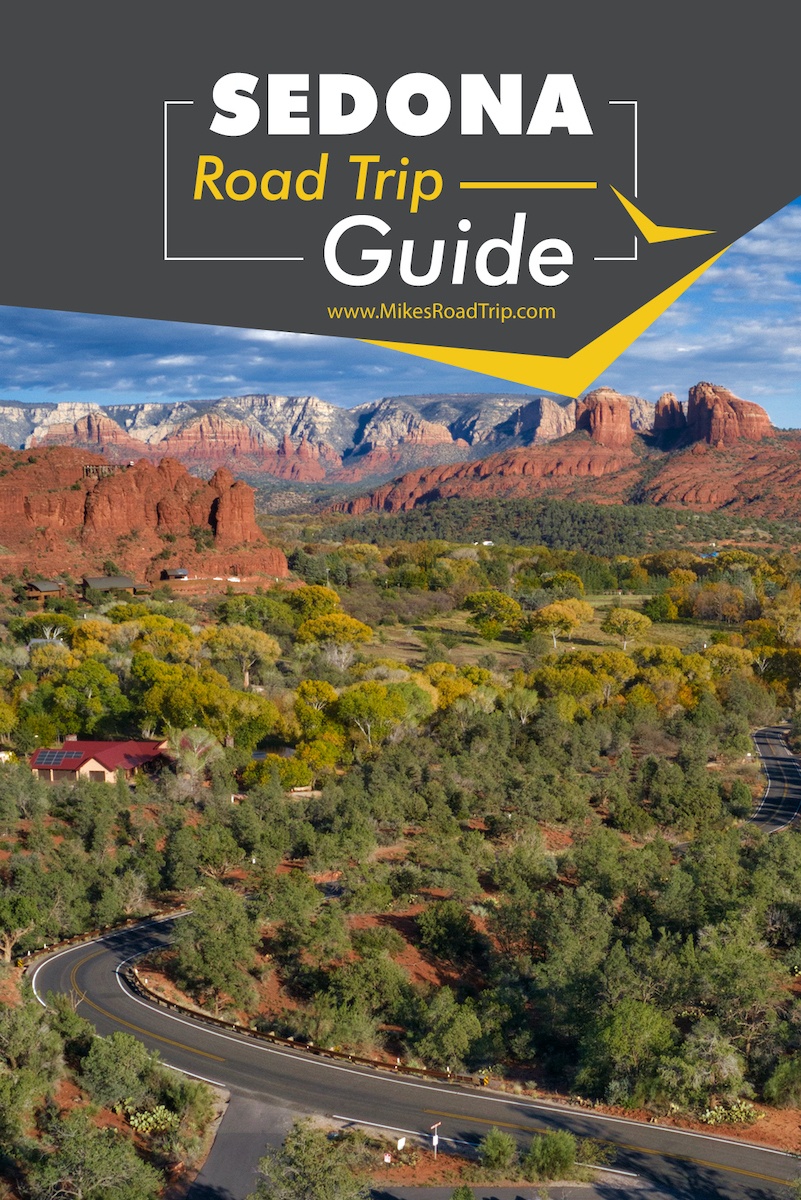
Sedona is one of those magical places that should be on everyone’s top-20 list of places to visit.  The brilliance of the red rock spires, the adventure of exploration,  the spiritual feeling one gets when meditating on the serene banks of Oak Creek…it’s just an amazing place.

There is so much to see and do in Sedona, from the various Jeep tours to meditation and walking tours. To shopping, gallery hopping, hiking, biking and dining at wonderful restaurants to playing in the crystal clear waters of Oak Creek in the Slide Rock state park.

Sedona has been a magnet for people of all walks of life…from those seeking adventure and beauty to a relaxing spa retreat, to those looking for a spiritual journey—trust me, Sedona accommodates your needs.

I have lived in Arizona off/on for most of my life and have been to Sedona countless times.  I’ve stayed at a variety of places, from hotels, B&B’s to timeshare condos and even camping out.  My favorite place is a place I’ve never even stayed, it’s called the Briar Patch Inn and it’s located on the most majestic stretch of Oak Creek Canyon that I think you’ll find.  Briar Patch Inn sits on a huge nine acre parcel, much of which is right on the banks of Oak Creek.  They have nineteen cabin/cottages with some wonderfully landscaped common areas that include hammocks,  creek-side table & chairs and pathways throughout…many leading down to the creek.

I’ve eaten at a number of restaurants in the Sedona area…many cater to the tourist crowd and are fine, but often over-priced for the quality.   A couple of places that stand out are just outside of the downtown area, D’Lish is a great vegetarian place on the West side.  If you like Thai food, there is a great (albeit small) place just south of downtown on 179 called Tara Thai. For a bit higher-end, try Fournos or L’ Auberge for wonderful creek-side dining. For breakfast, I love the Wildflower Bread Company, it sits atop the downtown area with wonderful patio views—they have the most scrumptious breakfasts with wonderful coffee and pastries.
Visitors to Sedona have a great choice of activities and sites to see. There are several world class golf courses and spas; adventurous, fun and educational jeep tours; ancient ruins; hiking and Mt.-biking trails that wind through what USA Today declared “The Most Beautiful Place in America.” In addition, Trip Advisor announced that Sedona won fifth place in its top-ten Travelers’ Choice US Destinations.

Tourists often find the following nearby attractions of interest:

Click the following link for additional pictures of Sedona.  You can also view my photo gallery for pictures of Slide Rock, Chapel of the Holy Cross and Oak Creek Canyon.

An Overview of Jackson Hole and Grand Teton

Thursday, July 1st, 2010

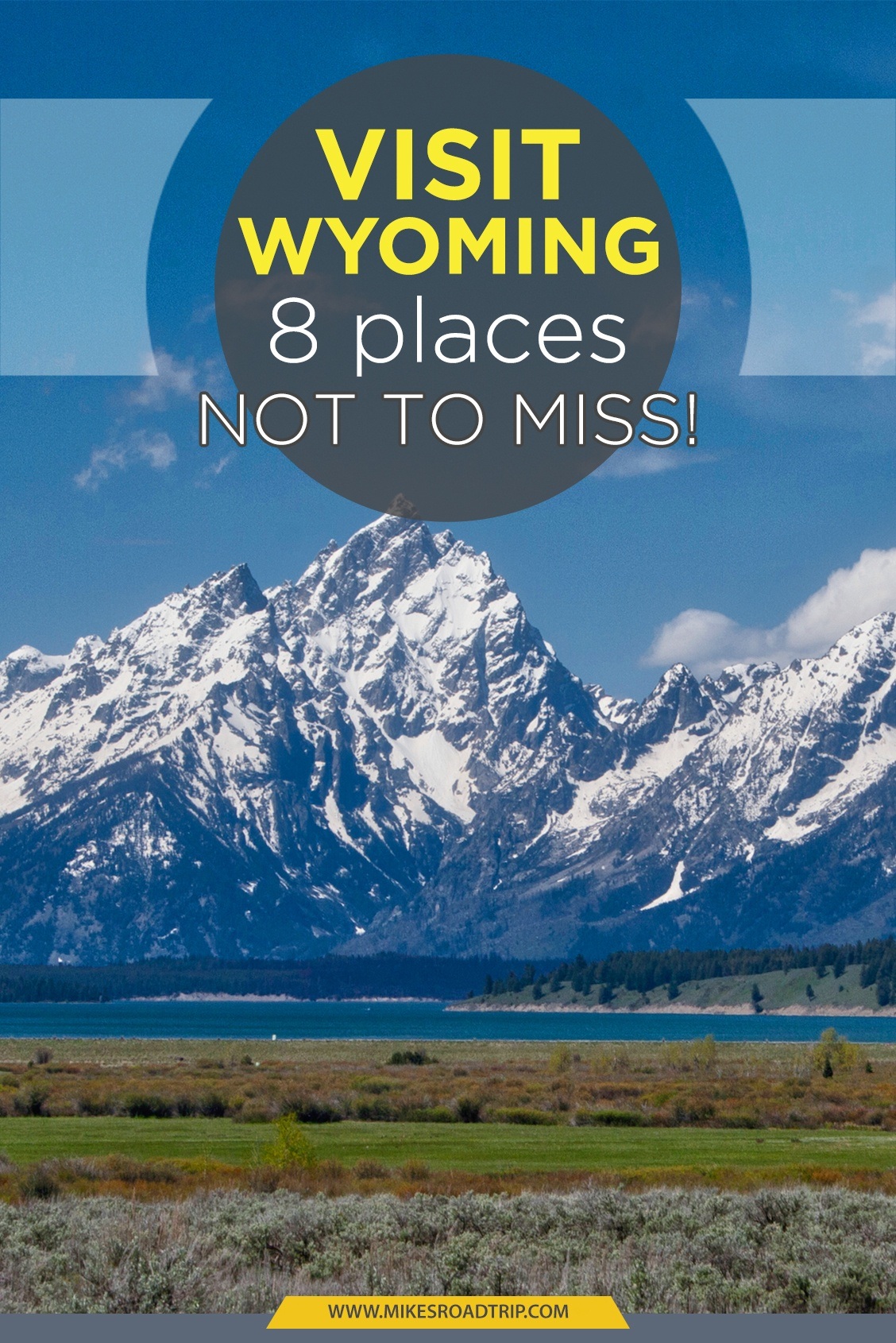
The majestic Teton Mountain range rises from the valley floor of Jackson Hole, Wyoming—reaching  nearly 14,000 feet toward the sky. Geologists say Jackson Hole formed more then ten million years ago as the valley floor was uplifted west of a major fault line and dropped to its east.  What formed was the absolutely awe-inspiring  Teton Mountains, which are the focal point for residence and visitors alike to the Jackson, WY area.

According to the Jackson Hole Historical society, the allure of Jackson Hole dates back to “Prehistoric nomadic people thought to be precursors to the Shoshone, who began to use the valley 11,000 years ago during the last ice age. Bands of Shoshone, Blackfeet, and other American Indians visited the area for sustenance, rendezvous, and ceremony…perhaps living there from time-to-time.”

I recall reading once that it wasn’t until the mid-1800s before we knew what dinosaur bones/fossils were—that they were so plentiful in the Wyoming area that there were actually homes build from them.  There is still a cabin standing used as a tourist stop to prove my point, click here to see pics and read the article.

Jackson Hole has been a lure for the rich-and-famous as an escape from the hustle and bustle of Hollywood and New York for years now.  It also attracts the adventurous, like mountain climbers, river rafters, skiers, hikers, bicyclists and others…it’s a place of passion for many and if you visit you’ll see why.  Jackson Hole is one of the nicest mountain communities you’ll ever visit, with a great mix of amenities…from lodging, restaurants, night-life to amazing majestic beauty.  You can raft down the treacherous Snake River; fish pristine waters;  hunt or watch big game wildlife; dine at 5-star restaurants; ski the best runs, you name it, Jackson Hole can probably accommodate your every indoor or outdoor desire.

Just outside of Jackson Hole, the Teton Mountain range provides for the most spectacular backdrop. Grand Teton National Park’s mountains are impressive not only for their geological prominence above Jackson Hole, but also for their summit views and the accessibility to remote backcountry areas.

Weather permitting; the visitor centers in Grand Teton National Park are open throughout most of the year, with some staying open year-round. They provide a wealth of things for visitors to see, do, learn and experience. Here are a couple of good resources for additional information.  Jackson Hole Wyoming.Net, Wyoming Tourism and the National Park Service.

One thing I experienced during my time in Teton National Park is how difficult (especially while driving driving) it is to take your eyes off the Tetons. They draw you in, they heighten your sense of wonder, they ignite your passion for nature—they make you more aware of your spirituality…they take your breath away.  Click the link to see my pictures of Jackson Hole and the Teton National Park.

An Overview of Yellowstone National Park

Thursday, July 1st, 2010

Yellowstone National Park is probably the “grand daddy” of the National Park system, although you might be surprised to learn that it is not the most popular.  Any guesses?  I myself would have guessed “The Grand Canyon,” however the most popular, by-far-and-away, are The Great Smoky Mountains (with just under 10m visitors per year). Yellowstone is the 4th most popular with 3.2m annual visitors.

Established in 1872, Yellowstone National Park is America’s first national park. Located in Wyoming, Montana and Idaho, it’s home to a large variety of wildlife including grizzly bears, wolves, bison, dear, bald eagles and elk…just to name a few. Preserved within Yellowstone National Park are Old Faithful and a collection of the world’s most extraordinary geysers and hot springs.

Old Faithful is probably the most popular attraction in Yellowstone, and while it’s interesting, I personally found it a bit anticlimactic.  It was like seeing the Mona Lisa at the Louvre. The traffic getting in/out of the “Old Faithful” area requires a lot of patience.  There are so many other interesting geothermal areas with similar geysers, that if I had it all to do over again, with hindsight on my side, I would have skipped the Old Faithful area. (As a side note: Old Faithful isn’t all the faithful, it was over 9 min. late when I was there) :-)

If you’re looking for a wilderness experience, not to worry, Yellowstone is as big as the state’s of Rhode Island and Delaware combined.  The park is absolutely massive with six entrances (I have made it through five now). Many of the roads in the park close in the fall and winter, so spring and summer are the best times to visit…unless of course you’re a snow enthusiast.

As I’ve said, Yellowstone is a massive park…so if you plan to do it justice, plan to spend nearly a week there.  There is just so much to see and do it can be overwhelming, so try do a bit of research and plan accordingly. Be sure to leave some leeway in your plans in case you want to spend more or less time in a particualr area.  You can get lost in the adventure and awe of it all.  You might run across some wildlife that you want to admire for hours on end.  You just never know.

The Yellowstone Park site as well as the National Park System website are great resources. Oh, something worth noting…for all of you “have to be online” folks like me…as of the summer of 2010 there is no wi-fi in the park.  When I say “no” wi-fi, I mean, NO wi-fi…not even at the hotels or lodges within the park. It’s seems to be incredibly ridiculous, but I was told that “they (whomever that is)” have been trying to get wi-fi for years but for some reason the powers-to-be will not allow it.

An Overview of Dillon, Montana

Wednesday, June 30th, 2010

I came to Dillon, Montana for one reason only, to visit a very dear friend of mine—otherwise I can’t imagine it being on my radar as a place I had to go.  While I’ve enjoyed my time in this quaint little town, Dillon is more a place for raising families than attracting tourists—for some travelers that might actually have great appeal. It’s always fun to check out small towns that are off the beaten path. And, there is no question that Dillon has its charm…from wonderfully restored homes to a satellite college campus embracing its past, to a moderately delightful downtown.

Staying in Dillon after visiting some much smaller towns in Montana got me thinking about something…if you look at communities like, “Red Lodge” for example, they have a very vibrant town with great restaurants, nice lodging choices and plenty of activities.  I used to live in a smaller community that must have loved mediocrity…we had mediocre restaurants, lodging, etc.  I see similarities between where I used to live and Dillon.  This got me thinking…why are towns like Red Lodge and Dillon so different? Dillon is much bigger than Red Lodge (albeit still very small itself), why do they not have the same quality restaurants as Red Lodge, the same quality lodging choices?  Clearly a place like Red Lodge caters to the demands of the tourist, where a place like Dillon caters more to the people who live there.  This begs the question, why do some communities embrace mediocrity, while other rebel against it? I know I digress from the subject at hand to a more philosophical, however part of “Mike’s Road Trip” is one of self-discovery and I hope to occasionally challenge the status quo. We all need to think about who we want to be when we grow up.

Dillon has a population of 4000 and is located in Montana’s Gold West Country. It began its early days as an important shipping destination from Utah to the gold fields of Montana. The Northern Railroad reached Dillon in the 1880s.  The rich agriculturally valley was a welcomed place for Sheep ranching—at one time Dillon was the largest wool producer in Montana. The first cattle were brought to the valley in 1865 and they continue to play a major role in Dillon’s development. La Cense Beef is a local ranch producing 100% grass-fed beef direct to the consumer, competing head-to-head with the more well-known, Omaha Steaks.

No matter where you are in Montana you can expect great scenery and plenty to do.  In Dillon there are several nearby lakes and rivers to fish, or perhaps check out the Beaverhead County Museum or a historic walking tour. There are also Lewis & Clark trail sites near Dillon including,  Camp Fortunate, Clark’s Lookout and Beaverhead Rock. For more information on Dillon, try the following sites. Travel Montana, The City of DillonMontana’s Gold West.

Be sure to check out my photo gallery of Dillon by clicking here.

Zion National Park…an Overview

Tuesday, June 29th, 2010

Click this image to be taken to the Zion Photo Gallery

This was my first trip to Zion National Park in more than twenty years, and at that time I was only passing through the park—this time I would get to experience it in all its glory.  If you have the time, I would recommend trying to do both Zion and Bryce Canyon as their proximity to one another is relatively close, however they are distinctively different.  If you have to choose one over the other, I would probably lean toward Zion.

Zion National Park is located in Southern, Utah and was designated a National Park in 1919.  Zion is Utah’s oldest National Park, and with nearly three million visitors, also its most popular.  Zion offers incredible canyons, including The Narrows, which attract canyoneers from around the world.

The Virgin River has carved through the native sandstone to create incredible scenery found throughout Zion Canyon. The river itself serves as a natural corridor for exploring the park. There are several easy, self-guiding trails along the river, along with more challenging hikes where the river and its tributaries cut through narrow canyons.  There are walks/hikes suitable for all ages.  More adventurous or strenuous hikes include Angels Landing and The Narrows. No matter what type of hike you are looking for, Zion will accommodate. Zion is also a great place for biking, fishing horseback riding, camping and more.  Click here for more info.

While I was in Zion I stayed at a wonderful Bed and Breakfast called, “The Desert Thistle.” You can read/see my review by clicking here. There are several nice restaurants to choose from as well, while I was there I had a good meal at Oscar’s Cafe (Had the Mahi Tacos), the service however was just so-so.

The Utah Department of Tourism has a wonderful website, I highly recommend checking it out for all of your Utah Travel needs.

An Overview of Red Lodge and the BearTooth Highway

Monday, June 28th, 2010

For more than forty years the population of Red Lodge, MT has hovered around 2000…despite it’s small size, this town is full of quality amenities and never short on things to see or do.  One of the contributing factors to Red Lodge’s vibrancy and economic prosperity is that it’s at the gateway to the northeast entrance of Yellowstone National Park via the most spectacular stretch of highway in the United States, the Beartooth byway.

Some of the things to do in Red Lodge include, hiking, biking, fishing, horseback riding, scenic drives, skiing, golf, nature watching, local festivals and so much more.

There are a number of great places to stay while in Red Lodge, like The PollardBig Sky Cabins, Rocky Fork Inn and the place I stayed, Gallagher’s Irish Rose Bed and Breakfast, which is in the heart of town and walkable to nearly everything. Red Lodge can accommidate just about any budget, there  several affordable hotels and motels to choose from.

I was also impressed with the restaurant scene in Red Lodge (especially for a small town where mediocrity often rules), I had the pleasure of eating at a few different places while I was there.  One establishment I would recommend would be Bridge Creek. I also had a nice meal at Bogart’s, however the service left something to be desired. If you’re looking for a bit higher-end place try, the Pollard.

No trip to Red Lodge would be complete without taking a drive through the Beartooth highway (hwy 212) (see my video above to be convinced).  Designated an All-American Road in 2002, the Beartooth Highway has been described by Charles Kuralt (former CBS newsman) as “the most beautiful drive in America.” Reaching heights of nearly 11,000 feet, the 50-mile drive offers awe-inspiring views of snowcapped peaks, glaciers, alpine lakes and plateaus (note: Hwy 212 is only open seasonally).

Recreation opportunities are abundant in the area. Visitors can cross-country ski in; hike across the broad plateaus; view and photograph wildlife (Rocky Mountain goat, moose, black bear, grizzly bear, marmots, mule deer); take a guided horseback trip; fish for trout in the streams and lakes and camp in the thirteen National Forest campgrounds. Even when the Highway is formally closed to cars, snowmobilers may travel the route and enjoy a spectacular winter wonderland.

Chasing Al Roker. Al Roker is in Bozeman and I’m hot on his trail…

Tuesday, June 22nd, 2010

So, I’m outside the Bozeman library doing some work when all of a sudden this gentleman jogged passed me…I saw him out of my peripheral vision and knew right away who it was as I often watch him on T.V. in the mornings. I thought for a minute as to what I should do and then I decided…I’m going to chase this guy until he stops, then I will tell him my story and see if he’d be willing to help out.

This gentleman was not jogging very fast and I’m a fast walker, so I just tried to keep up…unfortunately I was lugging my 20lb briefcase.  I decided to capture a bit of video along the way as you will see below, however as I did so, I started to lose some ground.  I started running again to close the gap. I wanted to be respectful and wait until he stopped before approaching, but this guy just kept running and running.

Now I’m at least a mile into this endeavor, but I’m committed, this could be my big break and I need to take the chance.

I’m guessing I’m 2+ miles into this thing and I’m calling friends to ask what I should do.

3 miles in, I see this young woman on a bike…I fill her in on the situation and get her to empathize…she rides up to the jogger and asks him, “Are you Al Roker?” She flashes the sign and then rides back over to me.  I confirm with her that in fact it is Al Roker.  Al is now out of sight and has witnessed me following him…I don’t want him to think I’m a stalker, so I ask the young lady, “If I pay you $20 will you go back and give him my card?” She declined as she was 5-mo pregnant and just needed to get home (BTW Winter, I really appreciate what you did do).a

I thanked her and took off after Al.  To my delight Al began coming right toward me.  I politely introduced myself while jogging along side him. I shared my story and told him I thought it would be compelling for NBC.  He graciously asked for my card…and on he went…

As I chased Al Roker I was completely unaware of my surroundings—I was now lost.  I was however, able to pick the trail again…funny enough, I ran into Al again.  I asked him (while camera was running) if he would mind saying something like “I’m Al Roker on the road with Mike’s Road Trip.” He declined, saying he’d rather not. Therefore, as a courtesy I will not show the last encounter. I don’t blame him; he must have run 7-10 miles and was just a bit disheveled. I’m really impressed with Al, he has really slimmed down and 7-10 miles is no easy jog. The weather however was just perfect in Bozeman…how apropos. :-)

So, we’ll just have to wait and see what Al does with my card. :-)

If you didn’t find this post funny, well, at least I amused myself.  LOL!  If you don’t believe it was Al Roker, read the story in the local newspaper.